What is an airtightness testing device? Which industries and products is it suitable for?
Feb 04, 2026
The Invisible Guard: Understanding Airtightness Testing Devices
In the world of manufacturing, a tiny leak can lead to a massive disaster. Whether it’s a waterproof watch failing in the shower or a car’s fuel system losing pressure, the integrity of a product’s seal is non-negotiable. This is where the Airtightness Testing Device comes into play.
But what exactly is it, and does your industry need one? Let’s dive in.
What is an Airtightness Testing Device?
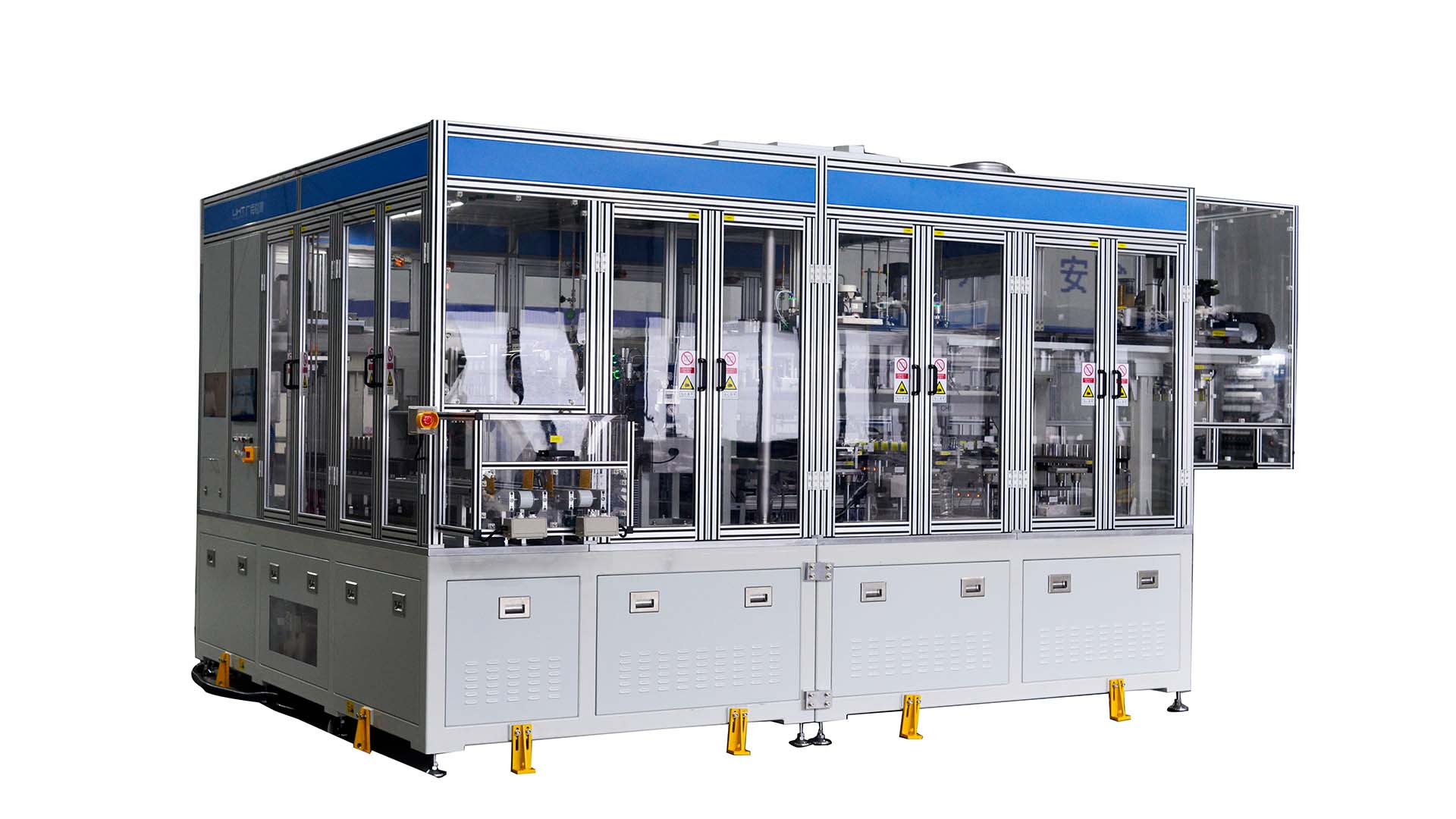
At its core, an airtightness testing device (also known as a leak tester) is a precision instrument used to determine if a product has any leaks. It measures how well a component can contain a gas (usually compressed air) or resist the ingress of external fluids.
Unlike old-fashioned "bubble tests" where you dunk a part in water and look for bubbles—which is messy and subjective—modern devices use high-sensitivity sensors to detect pressure changes.
The most common method is Pressure Decay Testing. The device fills the product with air to a specific pressure, shuts off the supply, and monitors the drop in pressure over time. If the pressure falls faster than a set limit, the part is rejected.
Here is a professional and engaging blog post tailored for your theme.
The Invisible Guard: Understanding Airtightness Testing Devices
In the world of manufacturing, a tiny leak can lead to a massive disaster. Whether it’s a waterproof watch failing in the shower or a car’s fuel system losing pressure, the integrity of a product’s seal is non-negotiable. This is where the Airtightness Testing Device comes into play.
But what exactly is it, and does your industry need one? Let’s dive in.
What is an Airtightness Testing Device?
At its core, an airtightness testing device (also known as a leak tester) is a precision instrument used to determine if a product has any leaks. It measures how well a component can contain a gas (usually compressed air) or resist the ingress of external fluids.
Unlike old-fashioned "bubble tests" where you dunk a part in water and look for bubbles—which is messy and subjective—modern devices use high-sensitivity sensors to detect pressure changes.
The most common method is Pressure Decay Testing. The device fills the product with air to a specific pressure, shuts off the supply, and monitors the drop in pressure over time. If the pressure falls faster than a set limit, the part is rejected.
Key Industries and Applications
Airtightness testing isn’t just for "airtight" products; it’s for anything that needs to stay dry, maintain pressure, or prevent contamination.
1. Automotive Industry
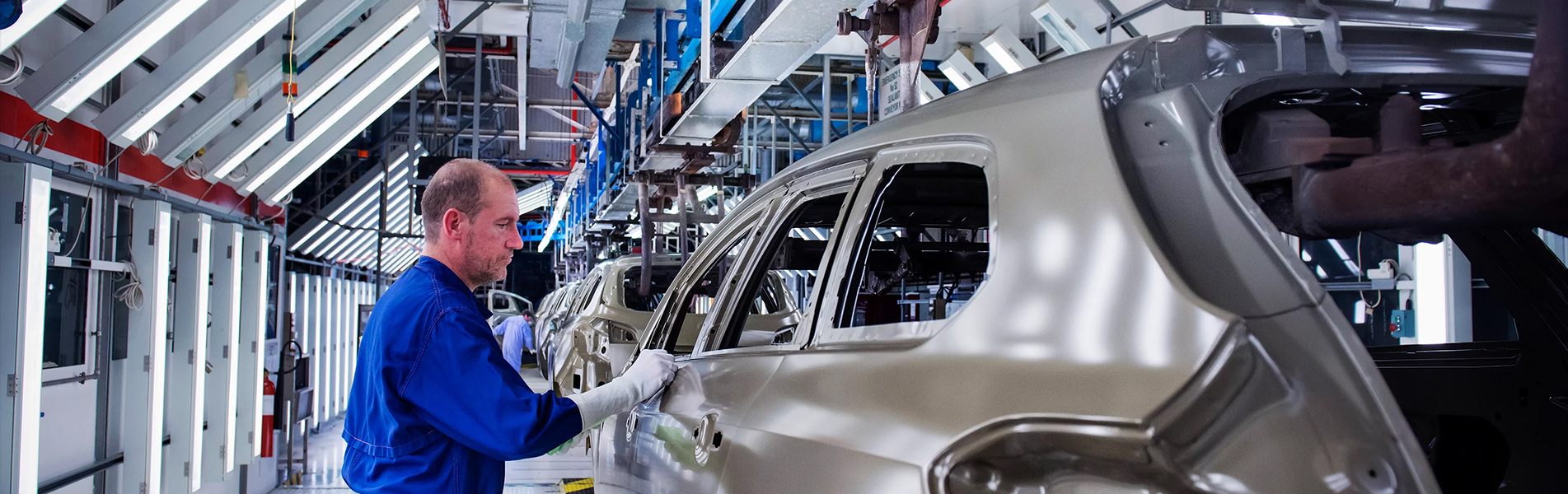
Safety is paramount here. Vehicles rely on airtight seals for fuel tanks, braking systems, and engine blocks. Even the battery packs in modern Electric Vehicles (EVs) must be perfectly sealed to prevent thermal runaway caused by moisture.
2. Consumer Electronics
Think about your smartphone. To achieve an IP67 or IP68 rating, every seam and port must be tested. Testing devices ensure that speakers, microphones, and screen seals can withstand being submerged in water.
3. Medical Devices
There is zero room for error in healthcare. Catheters, IV bags, and oxygen concentrators must be sterile and leak-proof. Airtightness testers ensure these life-saving tools function exactly as intended.
4. Home Appliances
From the water valve in your coffee maker to the drum of your washing machine, leak testing prevents kitchen floods and electrical shorts.
Here is a professional and engaging blog post tailored for your theme.
The Invisible Guard: Understanding Airtightness Testing Devices
In the world of manufacturing, a tiny leak can lead to a massive disaster. Whether it’s a waterproof watch failing in the shower or a car’s fuel system losing pressure, the integrity of a product’s seal is non-negotiable. This is where the Airtightness Testing Device comes into play.
But what exactly is it, and does your industry need one? Let’s dive in.
What is an Airtightness Testing Device?
At its core, an airtightness testing device (also known as a leak tester) is a precision instrument used to determine if a product has any leaks. It measures how well a component can contain a gas (usually compressed air) or resist the ingress of external fluids.
Unlike old-fashioned "bubble tests" where you dunk a part in water and look for bubbles—which is messy and subjective—modern devices use high-sensitivity sensors to detect pressure changes.
The most common method is Pressure Decay Testing. The device fills the product with air to a specific pressure, shuts off the supply, and monitors the drop in pressure over time. If the pressure falls faster than a set limit, the part is rejected.
Key Industries and Applications
Airtightness testing isn’t just for "airtight" products; it’s for anything that needs to stay dry, maintain pressure, or prevent contamination.
1. Automotive Industry
Safety is paramount here. Vehicles rely on airtight seals for fuel tanks, braking systems, and engine blocks. Even the battery packs in modern Electric Vehicles (EVs) must be perfectly sealed to prevent thermal runaway caused by moisture.
2. Consumer Electronics
Think about your smartphone. To achieve an IP67 or IP68 rating, every seam and port must be tested. Testing devices ensure that speakers, microphones, and screen seals can withstand being submerged in water.
3. Medical Devices
There is zero room for error in healthcare. Catheters, IV bags, and oxygen concentrators must be sterile and leak-proof. Airtightness testers ensure these life-saving tools function exactly as intended.
4. Home Appliances
From the water valve in your coffee maker to the drum of your washing machine, leak testing prevents kitchen floods and electrical shorts.
Why Invest in Professional Testing?
Non-Destructive: You can test 100% of your products without damaging them.
Data-Driven: Digital sensors provide "Pass/Fail" results that can be logged for quality control.
Efficiency: Automated systems can test a part in seconds, keeping up with fast-moving assembly lines.